Before the current Fall Series of Oysterville Schoolhouse Talks began, I learned that they were going to be taped by someone from the Columbia Pacific Heritage Museum and subsequently made available for viewing. Not only would interested locals be able to go to Ilwaco and see the footage, but the videos would be placed on YouTube for the world at large.
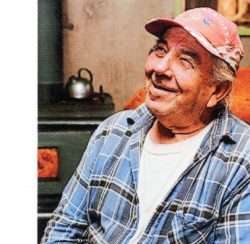
Speaker Bud Goulter, September 8, 2016
The theme of this series is “Local Lore” and the speakers are well-known members of the community. Most are men and women who grew up here and several have roots in the area that go back a number of generations. The idea of them telling about their memories of ‘the way it was’ is a compelling one and, as it has turned out so far, the schoolhouse has been crowded to overflowing on lecture days.
As might be expected, the speakers are telling about things as they remember them or as they might have heard them. None of the speakers purports to be a historian. This is, as the name of the series purports, ‘lore.’ And yet, for those of us who have spent time and effort digging for facts about the history of the area, there are some jarring bits of information that are being widely disseminated.
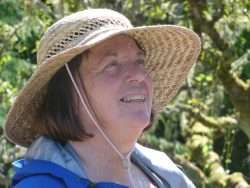
Speaker Susan Holway, November 3, 2016
“We’ll be introducing each of the videos with a disclaimer,” Betsy Millard, Director of CPHM assured me. “After all, it’s oral history.” But is it? As it turns out, that’s the bothersome part to me. It is not standard oral history — at least not as described by the Oral History Association in their discussion of principles and best practices at http://www.oralhistory.org/about/principles-and-practices/.
Once upon a time, when oral histories were painstakingly recorded by hand or tape recorder by a skilled interviewer, the resultant histories were often housed in the archives of a library or museum, available to all but, in truth, accessed only by serious researchers. Now, with the possibilities of wide dissemination, our local lore is available as entertainment for the masses.
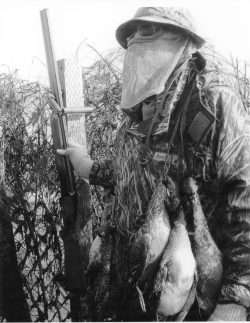
Speaker Dobby Weigardt, September 22, 2016
On the YouTube offerings, each segment is, indeed, prefaced by these statements: The Oysterville Town Hall series gives members of the local community an opportunity to share their remembrance of the past. The views reflected in this video are the personal accounts of [name of speaker]. As with any oral history, the information has not been fact checked. If you are interested in the history of Oysterville, research resources are available at the Columbia Pacific Heritage Museum.
Fact-checking is what I do. Fact-checking is what we encourage and teach the Community Historians to do. Fact-checking might be said to be the basis for the historical record. As much as I love the Schoolhouse Lectures, it’s sometimes hard to hear the ‘local lore’ versions of well-researched history. It’s harder still to realize that through the magic of YouTube, the lore is getting far more play than the factually researched history. But, hardest of all is how to share these fabulous talks on a wide basis without muddying up the historical record. I think it’s one of those new-age, ethical dilemmas for which there is not yet an answer.
I do so enjoy your blog! The content is so varied and always focuses on the human aspect of things. It is great news that the schoolhouse talks will be recorded and available to the public. Oysterville is such a unique community and it needs people like you who want to invest time and effort in its heritage.