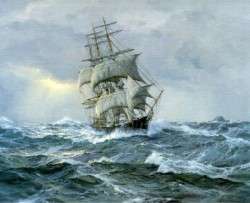
Rounding the Horn
Lately, Tucker has been talking about how it must have been to come ’round Cape Horn back in the days of sailing ships. It was the route that many of the early Oysterville pioneers took as they headed out from the East Coast to the gold fields of California. When the search for gold didn’t pan out (so to speak), many fortune-seekers headed north to take their chances with the oyster treasure of Shoalwater Bay – or so they hoped.
My two-times-great-grandfather Horace Richardson, an upright and God-fearing clergyman from Massachusetts, took his family around the Horn, not to seek his fortune, but to save the multifarious sinners of California. At Long Wharf in Boston on November 28, 1854 Horace and wife Sarah (his second) and their family boarded the good ship Reindeer captained by Obed Bunker. With the Richardsons was Sarah’s spinster sister, twenty-three-year-old Cornelia Elizabeth Rand.
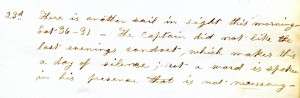
Cornelia’s Log: February 23, 1855
During the long voyage, Cornelia kept a log. Almost every day, in neat schoolgirl penmanship, she made an entry in a ruled copybook – often no more than a line or two and, most days, she included their latitude. She told about the sightings of other boats, the fish that were seen, and noted the birthdays and anniversaries of family members while at sea (Dec. 2nd…This is Horace’s birthday – 40.)
Cornelia talked about at length about the food they ate – onions, shark, whortleberry pie, pancakes, bonito, gooseberry and peach pie. Feb. 22nd. This is Washington’s birthday. We tried to celebrate it by eating nuts, candy and raisins. She also mentioned that she hooked a hundred pound shark and found that its heart continue beating several hours after its death.
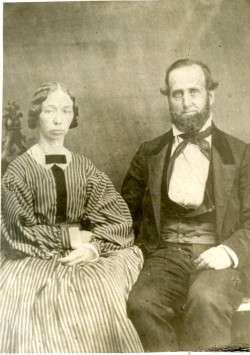
Sarah (Rand) and Horace Richardson
She wrote about catching sight of novelties such as stormy petrels, the Magellan clouds, the Southern Cross and the island spotted by the mate that turned out to be an iceberg. And, though she didn’t complain, she did say on December 5th: A wave came in at our window and wet our berths. On the other hand, she said hardly anything about a poor sailor named John Roan who fell overboard on the second day out of Boston Harbor and could not be rescued.
On April 17, 1855, having arrived at last at the City by the Golden Gate, Cornelia wrote: Mr. Briarly again came and we went to his house happy enough to tread upon firm ground. Here ends our voyage of twenty weeks – weeks in which we have seen and heard many things that we could not learn elsewhere than upon the ocean; and we have gained an interest in sailors that we think we shall never lose, knowing well their hardships and the privileges of which they are deprived.
Of Cornelia’s log my grandmother said, “I never read anything more barren. Can you imagine taking a six-months’ journey and never expressing a single reaction, or any sign of interest in a fellow passenger?”
My own thought is that perhaps Cornelia was paying more attention to the sailors…
0 Comments