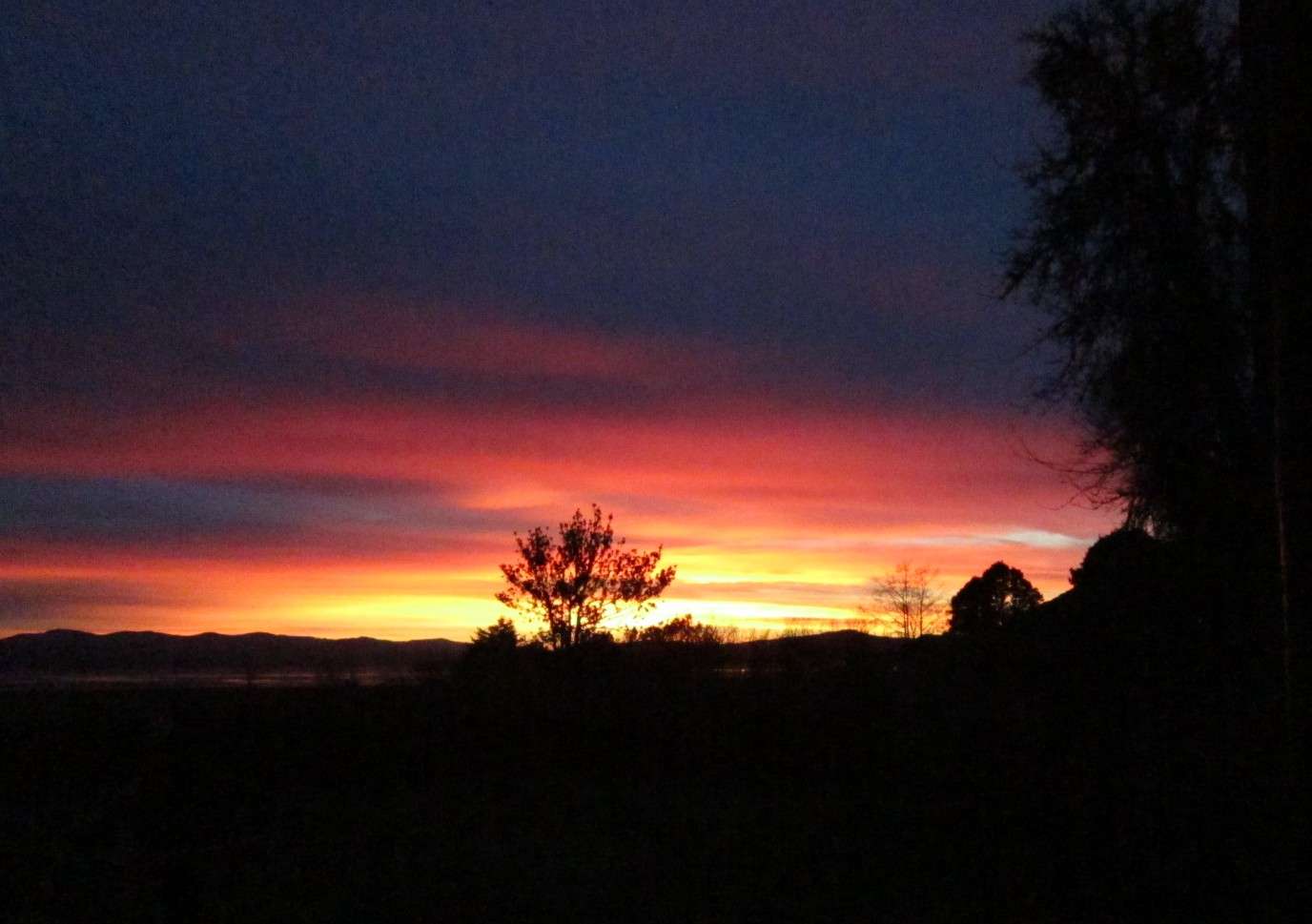
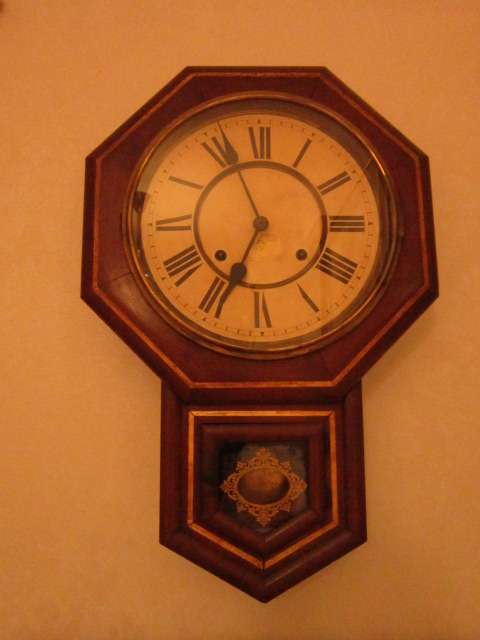
 We forgot about the ‘early to bed’ part entirely last night. In fact we totally spaced the necessity of changing the clocks, but Nyel’s biological chronometer kicked in at the new 5:00 a.m. anyway. Actually, his cell phone said 5:15 but our old-fashioned, battery-operated alarm clock hadn’t rung. “It’s only 4:15,” said I. And then reality set in.
Of course, I’m never sure what reality is when it comes to Daylight Saving Time. I tend to be one of those people who live by the clock and it always shakes me up a bit to come face-to-face with the fact that all these time divisions are totally arbitrary. Some years ago when we were traveling in Arizona, I became confused and disoriented between the time designations on the Navajo reservation where they do practice Daylight Saving and the rest of the state, which does not.
Even though the Navajos go along with the federal Daylight Saving Program (which is totally voluntary, not mandated), they do have a great saying that goes something like this: “Only the U.S. government could believe that when you chop the top off a blanket it and sew it on the bottom, you have a longer blanket.”
They are right, of course. The hours of daylight stay the same. The plan should have been named the Energy Saving Time instead. Daylight Saving actually began during World War I in Germany as a way to reduce artificial lighting and save coal for the war effort. Many other countries adopted the plan and the U.S. standardized the start and end of Daylight Saving Time in 1918 for those who chose to observe it.
 During World War II, it became obligatory for the whole country as a way to save wartime resources and, for the last three years of the war, Daylight Saving Time was actually observed all year long. We seem to be headed in that direction once again; since 2007 the time period for Daylight Saving has been increased from seven to eight months.
For the Doubting Thomases like me, studies show that the plan does, indeed, save energy. In 2008, the Department of Energy found that during Daylight Saving Time, U.S. electricity use decreased by 0.5 percent per day which added up to 1.3 billion kilowatt-hours – enough to power about 122,000 average U.S. homes for a year. Now that is impressive!
Bottom line here in Oysterville, though: the chickens could care less. And I have an extra hour in the morning before I need to trek out to the coop with their breakfast. Not exactly an energy-saver but still…
As a morning person, I would rather have the extra hour in the morning on Mother Nature’s clock and to have it darker earlier in the evening when I want to be in the kitchen making dinner anyway than the supposed energy savings of the hour in the afternoon. I understand that this all was originally Ben Franklin’s idea when the told the French government that money for candles could be saved by fiddling with the clock. Thanks, Ben, for nothing.
I had to think about it a little, though, when I read that Ben couldn’t figure out a way to make his idea work. He was so creative,you’d think he could manage it. The French were probably just too set in their ways. Some things don’t change! lol
Oh the sunrise on the bay is so beautiful and wish we were there. Nothing prettier!
Sydney, I am passing on to you a Liebster Award, even though you probably have more than 3000 followers. I had to Google to figure out what it meant when someone gave one to me.