 Here in Oysterville in Pacific County, Washington, we have become a little paranoid about the modals*. Specifically, we have been directed by the powers-that-be that we can only pay attention to any references in our Design Guidelines that contain the word “shall.” Why, just yesterday I was cautioned in an email by a county muck-a-muck: “Again, this goes back to vague language. Does it have a ’shall’?” Apparently, all statutes, ordinances, regulations, guidelines, resolutions, etc. without the word ‘shall’ count for naught in Pacific County.
According to Wikipedia (which, be advised, you shall read with a bit of skepticism) Shall is widely used in bureaucratic documents, especially documents written by lawyers. Due to heavy misuse, its meaning is vague and the US Government’s Plain Language group advises writers not to use the word.
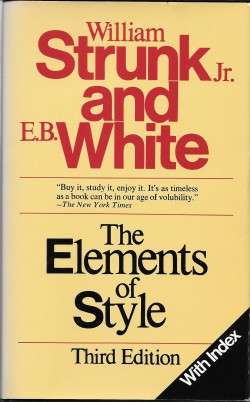 When I was in Mrs. Barnes’ 8th Grade English class back in the dark ages, I learned that it is proper to use ‘shall’ for the first person and ‘will’ for the second and third person if you are writing in the future tense. In The Elements of Style ©1979, Strunk and White give this great example:
The formula to express the speaker’s belief regarding his future action or state is I ‘shall’; I ‘will’ expresses his determination or his consent, A swimmer in distress cries, “I shall drown; no one will save me!”” A suicide puts it the other way: “I will drown; no one shall save me!”
In considering our present concerns in Oysterville, Shakespeare probably said it best in King Henry VI: The first thing we must do is kill all the lawyers, And… for the curious, the word ‘must’ is used to say that someone should do something (Wikipedia again) and ‘should’ is the past tense form of shall although the main use of should in modern English is as a synonym of ought to, expressing quasi-obligation (Wikipedia some more.)
So there you have it.
* of or relating to structure as opposed to substance; of, relating to, or constituting a grammatical form or category characteristically indicating predication of an action or state in some manner other than a simple fact. (Merriam-Webster’s Collegiate Dictionary ©1998.
Well I prefer Shakespeare’s decision of who to kill rather than Plato’s who would have don away with artists. a
I love it when you do that complicated English language structural stuff.